Your Parking Lot Is Dirtier Than You Think: Here’s the Fix
First impressions happen in parking lots. Before a customer ever steps through your front door, they’ve already formed an opinion about your business — and that opinion starts the moment they pull into your lot. At Sunny Pressure Washing, we’ve seen firsthand how a clean, well-maintained parking lot can signal professionalism, care, and trust to customers before a single word is exchanged. It’s one of the most underestimated assets a commercial property has, and it deserves a real maintenance plan.
So how often should you actually pressure wash a commercial parking lot? The honest answer is: it depends — but there are clear guidelines that most property owners and managers can follow to keep their lots in top shape without overspending or neglecting a surface that takes a serious beating every day.
Why Frequency Matters More Than You Think
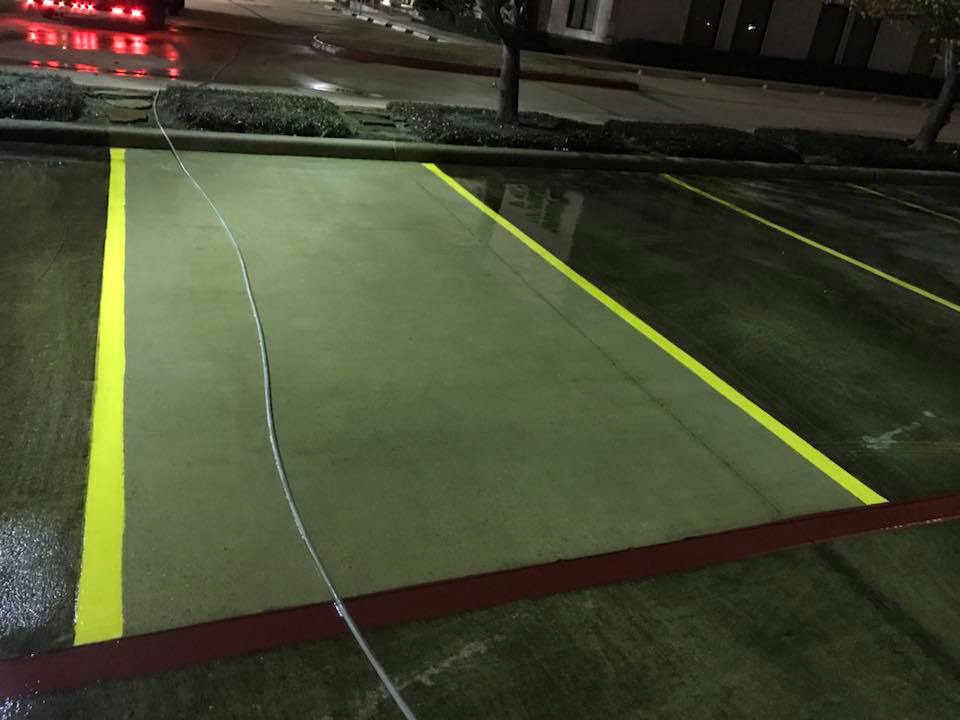
Parking lots endure a relentless mix of vehicle fluids, tire residue, trash, organic debris, and weather exposure. Over time, oil and grease don’t just look bad — they create slip-and-fall hazards and eat away at asphalt and concrete surfaces. The cost of cleaning your parking lot regularly is a fraction of what you’d pay for surface repairs caused by years of neglected buildup. Regular maintenance is genuinely a money-saving decision.
The General Rule of Thumb
For most commercial properties, a thorough pressure washing two to four times per year is the baseline recommendation. That typically means once per season, or at minimum, a spring cleaning after winter and a fall cleaning before it. This schedule works well for mid-traffic businesses like office parks, medical buildings, and smaller retail shops that don’t see constant high-volume traffic.
When You Need to Go More Frequently
High-traffic commercial properties — think large shopping centers, fast food locations, gas stations, auto service shops, and busy restaurant parking areas — often require monthly or even bi-weekly pressure washing. These environments produce significantly more grease, food waste, and fluid spills, and the sheer volume of vehicles means debris accumulates faster. Ignoring that buildup doesn’t just affect curb appeal; it can accelerate surface degradation and create liability issues that no business owner wants to deal with.
If your lot sees heavy foot traffic alongside vehicle traffic, or if your business is in an area with a lot of tree cover, pollen, or seasonal weather events, that’s another reason to bump up your cleaning frequency.
Seasonal Factors That Should Shape Your Decision
Spring is almost always the most critical cleaning window for commercial parking lots. Winter leaves behind road salt, sand, and chemical residue that can be corrosive to paved surfaces if allowed to sit. A thorough post-winter cleaning removes that residue before it does lasting damage. Summer heat and increased business activity often call for a mid-year clean, while fall addresses leaf stains, organic debris, and preparation for the cold months ahead.
What a Professional Pressure Wash Actually Does
There’s a meaningful difference between a surface-level rinse and a professional commercial pressure wash. Professional-grade equipment reaches the pressure levels needed to lift oil stains, tire marks, and deeply embedded grime that a standard hose simply cannot budge. Experienced technicians also know how to treat different surface types — concrete and asphalt respond differently and require adjusted techniques and sometimes specialized cleaning agents. Done right, the process removes contaminants, brightens the surface, and extends its lifespan.
The Bottom Line
A commercial parking lot that looks like it’s cared for tells customers that your entire operation is cared for. Whether your property needs quarterly maintenance or more frequent attention, having a professional cleaning schedule is one of the simplest and most cost-effective investments you can make in your property’s appearance and longevity.
At Sunny Pressure Washing, we work with commercial property owners and managers to build a cleaning schedule that actually fits their property’s needs and traffic patterns — no one-size-fits-all approach. If you’re unsure where to start, reaching out for a property assessment is the best first step toward keeping your lot looking its best all year long.